Garden maintenance near Purley Oaks station
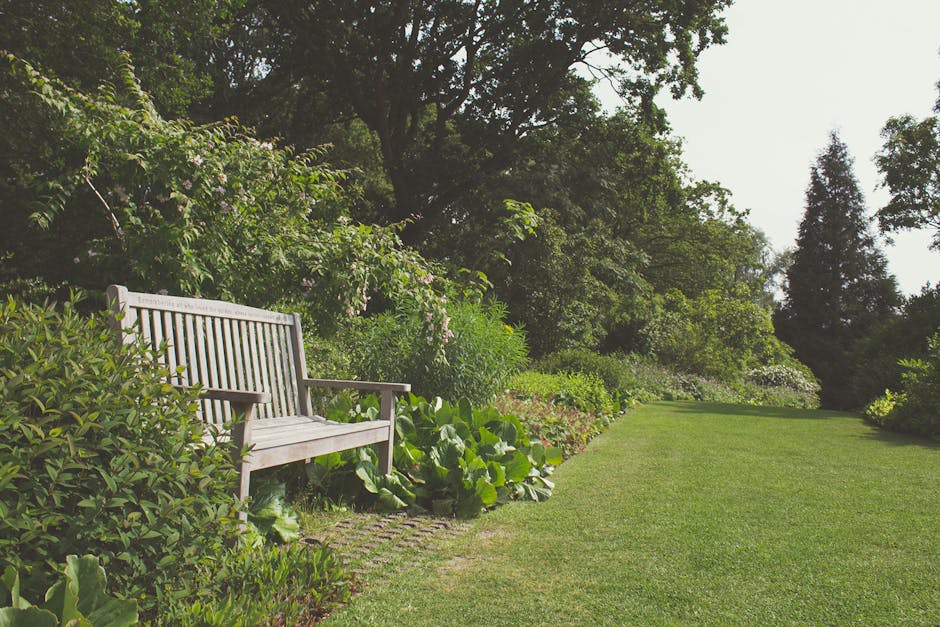
If you are looking into Garden maintenance near Purley Oaks station, you are probably after something more practical than a quick tidy-up. Maybe the lawn has run wild after a few wet weeks. Maybe the hedge has started leaning into the path. Or maybe you simply want the garden to look cared for without spending every weekend wrestling with it. Fair enough. A well-kept garden is easier to enjoy, easier to manage, and, truth be told, much less stressful when life is already busy enough.
In this guide, we will walk through what garden maintenance usually includes, why it matters in this part of South London, how the service typically works, and what to look for if you are comparing options near Purley Oaks station. You will also get a step-by-step process, useful checklist, common mistakes, and a realistic look at standards and best practice. No fluff. Just the sort of information that helps you make a sensible decision.
Why Garden maintenance near Purley Oaks station Matters
Near Purley Oaks station, gardens tend to face the usual South London mix: a bit of shelter, a bit of exposure, and enough seasonal change to keep everything growing at different speeds. One week the lawn is neat, the next week the borders are pushing out again. If a garden is not maintained regularly, small issues become awkward ones. A patch of moss turns into a thin lawn. A hedge becomes a visibility problem. A bed full of weeds becomes a bigger clearance job than it should have been.
That is why garden maintenance is not just about appearance. It helps preserve structure, plant health, and usability. It also makes the outdoor space safer and more inviting, which matters whether you are a homeowner, a landlord, or managing a property between tenants. For many households near the station, the real benefit is simple: you can enjoy the garden without feeling like you owe it half your Saturday.
There is also a local practical angle. Homes near transport links often have tighter schedules, smaller side access, and less spare time. So the value of a service is not only in the gardening itself, but in removing the hassle of planning, buying tools, disposing of waste, and remembering what should be done when. That is what people are really paying for most of the time.
Key point: regular maintenance is usually cheaper and easier than occasional rescue work. Let things slide for long enough and even a simple garden starts to feel like a project.
How Garden maintenance near Purley Oaks station Works
Most garden maintenance services follow a fairly straightforward pattern, though the exact tasks vary depending on the size of the garden and what shape it is in. A first visit usually involves a quick assessment: what needs cutting back, what needs feeding, whether the lawn needs attention, and whether any areas need clearing or reshaping.
Common maintenance tasks include:
- Lawn mowing and edging
- Hedge trimming
- Weeding and border tidy-ups
- Pruning shrubs and small trees
- Leaf clearance and seasonal clean-ups
- Green waste collection or disposal
- General garden tidying and light planting care
Some gardens only need monthly attention. Others need a fortnightly rhythm during the growing season. If you have fast-growing hedges or a lawn that seems to double in height overnight after rain, you will probably notice the difference straight away when maintenance is regular. It keeps the garden in a manageable state rather than letting it swing between neat and chaotic.
In practical terms, a good maintenance visit should feel organised. The work starts with priorities, not random trimming. For example, the team may cut the lawn first, then edge it, then take care of the borders, and finish with a clean-up. That sequence matters because it gives a cleaner finish and avoids redoing areas. Sounds obvious, but you would be surprised how often the order is left to guesswork.
If the garden needs more than routine care, the service may be paired with heavier work such as garden clearance, or with other improvements like landscape gardening or landscaping. That can be useful if the space has drifted beyond simple maintenance and needs a reset first.
Key Benefits and Practical Advantages
The most obvious benefit is visual. A maintained garden looks cared for. But the practical advantages go further than that.
- Less stress: You do not keep facing a garden that is always one weekend behind.
- Better plant health: Regular pruning and weeding stop stronger plants from crowding out weaker ones.
- Improved safety: Clear paths, controlled growth, and tidy edges reduce trip hazards and blocked access.
- More usable space: A maintained garden is easier to sit in, cook in, play in, or simply look out onto from the house.
- Long-term savings: Regular care usually prevents bigger jobs later. A little now often saves a lot later.
- Stronger kerb appeal: If you are selling, letting, or simply want the property to feel well kept, the garden makes a bigger difference than many people expect.
There is another benefit that gets overlooked: confidence. When the garden is under control, you stop mentally filing it under jobs to do. That can make a house feel more finished, more settled, and frankly more pleasant to live with. Small thing, maybe. But real.
Expert summary: the best garden maintenance plans are not about doing everything at once. They are about doing the right things often enough that the garden never slips into recovery mode.
Who This Is For and When It Makes Sense
Garden maintenance near Purley Oaks station makes sense for a broad mix of people. Some want help because they are short on time. Others need regular support because the garden is bigger than they can comfortably manage. And some simply prefer to use their free time on something other than hedge trimming. Honestly, who can blame them?
This service is especially useful if you are:
- A homeowner who wants a tidy garden without spending every weekend on it
- A landlord keeping outdoor space in good condition between tenancies
- A busy family juggling work, school runs, and everything else
- An older resident who wants the garden kept safe and manageable
- A new homeowner who is still working out what the garden actually needs
- Someone preparing a property for sale or rental photos
It also makes sense after periods of neglect, long holidays, renovation work, or bad weather. Gardens do not wait politely for spare time, do they? They just grow. So if you notice that your outside space is always becoming a weekend crisis, maintenance is probably the smarter route.
For larger or more overgrown plots, a one-off reset followed by ongoing care is often the best combination. In those cases, you may want to browse the wider services overview and consider whether the garden needs regular upkeep, a bigger clearance, or a bit of both.
Step-by-Step Guidance
If you are arranging garden maintenance for the first time, it helps to know what a sensible process looks like. You do not need to micromanage everything, but a bit of structure makes a big difference.
- Walk the garden and note the problem areas. Look for long grass, overgrown hedges, weeds, dead plants, broken branches, and blocked access.
- Decide what you want the result to be. Tidy-only? Ongoing care? A full seasonal refresh? The clearer you are, the better the job can be scoped.
- Separate routine work from bigger work. A lawn cut is one thing. A neglected border, a fallen branch, or a dense hedge may need different equipment and more time.
- Ask about frequency. Weekly, fortnightly, monthly, or seasonal visits each suit different gardens. The right rhythm depends on growth rate and budget.
- Check waste handling. Green waste removal matters. Nobody wants tidy beds and a pile of cuttings left behind.
- Review the finish after the first visit. A good first maintenance session should leave the garden feeling reset, not half-done.
- Adjust the plan. If the lawn is growing quickly or the hedges are becoming unruly, change the schedule before the job gets out of hand.
One useful trick: take a few photos before the first visit. Not for drama, just for reference. It helps you track the difference and makes it easier to agree on what changed and what still needs attention. Simple, but effective.
If lawn care is one of the main issues, pairing the plan with dedicated lawn mowing can make the whole garden feel sharper very quickly. Likewise, if the hedges are the problem, targeted hedge trimming may solve more than one visual issue at once.
Expert Tips for Better Results
Here is where a bit of real-world judgement helps. The best-looking gardens are not usually the ones with the fanciest plants. They are the ones with simple routines done consistently.
Match the schedule to the season
Growth speeds up in milder, wetter periods. During those times, gardens need closer attention. In colder or slower months, you can usually scale back without losing control. The mistake people often make is sticking to a fixed schedule all year when the garden itself is clearly saying something else.
Keep edges under control
Edges matter more than most people think. A lawn can be short, but if the borders are messy and the paths are blurred by weeds, the whole space still looks untidy. Crisp edges give the eye a place to rest. It sounds small. It isn't small.
Do not overcut everything
Over-pruning can stress shrubs and make hedges look patchy. A careful trim is better than a dramatic haircut. Nature is not a fan of panic.
Plan for access
Side gates, narrow passages, shared paths, and parking restrictions can all affect how a job is done. Good maintenance is not only about the garden itself; it is also about how the work gets in and out without causing hassle.
Leave room for seasonal clean-ups
Autumn leaf fall, spring growth, and post-storm tidy-ups all need slightly different handling. If you build in that flexibility, the garden stays more consistent and fewer tasks pile up unexpectedly.
A small but useful note: the best time to sort a borderline problem is before it looks dramatic. If you wait until the hedge is blocking light or the lawn is patchy and stressed, the work gets more expensive and slower to correct. Bit annoying, but true.
Common Mistakes to Avoid
Garden maintenance sounds straightforward until the same few mistakes start repeating. These are the ones that usually cause trouble:
- Waiting too long between visits: Once growth gets ahead of you, every task takes longer.
- Ignoring waste removal: Green waste left in piles quickly turns a tidy job into a messy one.
- Only cutting what looks obvious: The visible parts matter, but so do weeds at the base, dead stems, and edge growth.
- Using the wrong tools for the job: A clean finish depends on the right equipment and the right technique.
- Assuming every garden needs the same routine: A shaded, damp garden behaves very differently from a sunny, fast-growing one.
- Forgetting access and safety: Loose paving, hidden obstacles, or awkward slopes can create avoidable problems.
- Chasing perfection at the expense of practicality: A realistic, maintainable garden usually outlasts a dramatic but high-maintenance design.
There is also a habit of asking for "just a quick tidy" when the garden clearly needs more. That can work for a light reset, yes, but if growth has become established, vague instructions often lead to vague results. Be specific. It saves time on both sides.
Tools, Resources and Recommendations
You do not need a shed full of kit to maintain a garden well, but the basics should be good quality and appropriate to the job. A tidy finish is much easier when the tools are up to it.
| Task | Typical tool or approach | Why it helps |
|---|---|---|
| Lawn care | Mower, edging tool, grass collection method | Creates a cleaner, more even finish and reduces stragglers |
| Hedge work | Hedge trimmers, hand finishing, safe access equipment | Supports even shaping without tearing the growth |
| Weeding | Hand tools, hoe, targeted removal | Helps remove roots rather than just the visible top growth |
| Border tidying | Secateurs, shears, pruning saw where needed | Allows careful shaping without damaging nearby plants |
| Waste handling | Green waste bags, loading plan, disposal route | Keeps the garden usable and avoids a second mess |
If you are hiring help, it is worth asking how they handle hedge waste, whether they bring their own equipment, and whether they can combine maintenance with related work such as tree lopping and removal when a larger issue shows up. A good provider should be able to explain what is routine and what counts as a separate job.
You may also want to read about the company's approach to recycling and sustainability if you care about how clippings and green waste are managed. That is a practical question, not a box-ticking exercise.
Law, Compliance, Standards, or Best Practice
For most domestic garden maintenance, the main concern is not complicated legal compliance. It is safety, access, and sensible workmanship. Still, there are some best-practice points that matter in real life.
First, work should be carried out with appropriate attention to safety, especially where ladders, powered tools, or cutting equipment are involved. A professional provider should be able to talk plainly about how they reduce risks on site. If you want to check how a company approaches this, look for clear information on insurance and safety and its wider health and safety policy.
Second, hedge and tree work should be done with care for neighbouring properties, pathways, and public-facing boundaries. Near station roads and shared access points, keeping the site tidy matters more than people often realise. Nobody wants cuttings drifting into a neighbour's drive or blocking the pavement. Basic courtesy goes a long way.
Third, if disposal is involved, waste should be handled responsibly. That means knowing what will be removed, what will be left onsite, and whether the material is being recycled, composted, or taken away through the proper route. Good practice is transparent. If a provider cannot explain this in plain English, that is not ideal.
If you are comparing companies, it is also sensible to review pages like about us, pricing and quotes, and payment and security. Those do not make the gardening better by themselves, of course, but they help you judge how professionally the service is run.
Options, Methods, or Comparison Table
Not every garden needs the same level of care. The right option depends on how quickly things grow, how much time you have, and whether the garden needs routine support or a reset first.
| Option | Best for | Pros | Things to watch |
|---|---|---|---|
| One-off tidy | Light overgrowth or a special occasion | Fast improvement, simple booking | May not hold for long if growth is strong |
| Regular maintenance | Most homes and managed properties | Consistent results, less stress, fewer surprises | Needs a sensible schedule |
| Seasonal maintenance | Gardens that only need periodic attention | Good for lower-growth gardens | Can let issues build up between visits |
| Clearance plus maintenance | Neglected or overgrown gardens | Resets the space before routine care begins | Usually costs more at the start |
If you are unsure which route to take, ask yourself one question: do you need a fix, or do you need a system? A fix clears the immediate mess. A system stops it coming back quite so quickly. That is the real difference.
Case Study or Real-World Example
Take a typical small terraced garden not far from the station. Nothing dramatic. A bit of lawn, two borders, a hedge at the back, and a side path that has slowly started to vanish under weeds. The owner has good intentions, as most people do, but work and family life keep pushing the garden down the list.
On the first visit, the lawn is cut, edges are defined, the hedge is trimmed back enough to restore light, and the borders are cleared of the worst weeds. The cuttings are removed, the path is made visible again, and the garden stops looking like a puzzle. Nothing fancy. Just proper tidying.
Two weeks later, the place is easier to maintain because it has been reset. By the end of the first month, the owner is not dealing with a backlog anymore. That is the main win. The garden no longer owns the calendar.
To be fair, this kind of result is often less about dramatic transformation and more about rhythm. The first visit does the heavy lifting. The following visits keep everything steady. Once people see that pattern, they usually breathe out a bit. Quite literally sometimes.
Practical Checklist
Before booking garden maintenance near Purley Oaks station, use this checklist to make sure you are asking the right questions.
- Do I want a one-off tidy or ongoing maintenance?
- Which areas matter most: lawn, hedges, borders, paths, or waste removal?
- Is the garden lightly untidy or genuinely overgrown?
- Do I need work to happen on a regular schedule?
- Is access clear for tools, waste, and safe movement around the garden?
- Do I want clippings and green waste removed?
- Are there any sensitive plants, fragile areas, or shared boundaries to protect?
- Do I want related services such as lawn care or hedge work included?
- Have I checked how the provider handles safety and insurance?
- Am I clear about what result I expect after the first visit?
It helps to write down your priorities before speaking to anyone. Otherwise the conversation can drift, and suddenly the quoted work is not quite what you had in mind. We have all been there. One small note in your phone can save a lot of back-and-forth.
Conclusion
Garden maintenance near Purley Oaks station is really about making your outdoor space manageable, pleasant, and worth using. Whether the job is a simple tidy or a longer-term maintenance plan, the value comes from consistency, good judgement, and clear expectations. The best results are rarely flashy. They are steady, practical, and easy to live with.
If your garden has started feeling like another chore hanging over you, that is usually a sign it is time to reset the routine. A well-kept garden should feel like part of the home, not a separate battle to win every weekend. And once it is under control, you notice the difference in a quiet way. The view from the kitchen is better. The path is clearer. The space feels easier.
Get a free quote today and see how much you can save.
And if you are weighing up next steps, it may help to review the company's wider garden maintenance service alongside its lawn mowing and hedge trimming options so you can choose a plan that fits your garden, not the other way round.
Frequently Asked Questions
What does garden maintenance usually include?
It usually includes lawn mowing, edging, hedge trimming, weeding, pruning, border tidying, leaf clearance, and general waste removal. The exact mix depends on the garden and the level of growth. Some properties only need light upkeep, while others need a more complete reset first.
How often should garden maintenance be carried out near Purley Oaks station?
That depends on how quickly the garden grows and how neat you want it to stay. Many gardens benefit from fortnightly or monthly visits during the active growing season, while slower-growing spaces may only need seasonal attention. The best schedule is the one that stops small jobs becoming big ones.
Is a one-off garden tidy enough?
Sometimes, yes. If the garden is only slightly out of control or you are preparing for an event, a one-off tidy can be enough. But if weeds, lawn growth, and hedge work keep returning quickly, ongoing maintenance is usually the more practical choice.
How do I know if my garden needs a clearance rather than maintenance?
If access is difficult, growth is heavy, or the garden has not been cared for in a long time, clearance may be needed first. Maintenance works best once the space is back to a manageable level. In other words, tidy the battlefield before you patrol it.
Can garden maintenance help with property value or rental appeal?
Yes, a tidy garden can improve how a property is perceived. It does not guarantee a higher value on its own, of course, but it can make photos look better, create a stronger first impression, and help the property feel better cared for overall.
What should I ask before booking a garden maintenance service?
Ask what is included, how waste is handled, whether equipment is provided, how often visits are recommended, and whether the provider has proper safety and insurance arrangements. It is also sensible to ask whether hedge work, tree work, or clearance would be separate jobs.
Do I need to be home during the visit?
Not always. That depends on access, the arrangement you make, and how comfortable you are with the process. Some people prefer to be there for the first visit, just to explain priorities. After that, many homeowners are happy to leave the work to be done while they are out.
What happens to the green waste?
That depends on the service provider. Some remove it, some compost it, and some separate it for recycling where appropriate. It is worth asking in advance so there are no surprises and no piles of cuttings sitting around after the job.
Is hedge trimming part of garden maintenance?
Often it is, yes. Hedge trimming is one of the most common maintenance tasks, especially when hedges begin to affect light, boundaries, or access. For larger or more established hedges, it may be treated as a separate service depending on the amount of work involved.
What if my garden is small?
Small gardens still benefit from maintenance, sometimes even more so because every untidy corner is easier to see. A compact space can go from neat to cluttered very quickly. Regular care keeps it feeling usable rather than crowded.
Are there any safety issues I should think about?
Yes. Slippery paths, broken paving, hidden debris, overgrown access routes, and power-tool use all deserve attention. A good provider should work carefully and should be able to explain how they handle safety. If something feels rushed or careless, that is a red flag.
How do I choose between regular maintenance and landscaping?
If the garden is already structured but needs ongoing care, maintenance is the better fit. If the space needs redesigning, reworking, or a more substantial refresh, landscaping may be more suitable. Some gardens need both: one to fix the layout, the other to keep it in shape.
Where can I learn more about the company and its approach?
You can review the company information, service pages, and supporting policies to understand how it works, what it offers, and how it handles practical matters such as safety, pricing, and payment. That is often the easiest way to compare options calmly and make a confident choice.